
Interact ERMS: Enterprise Risk Management System
Overview
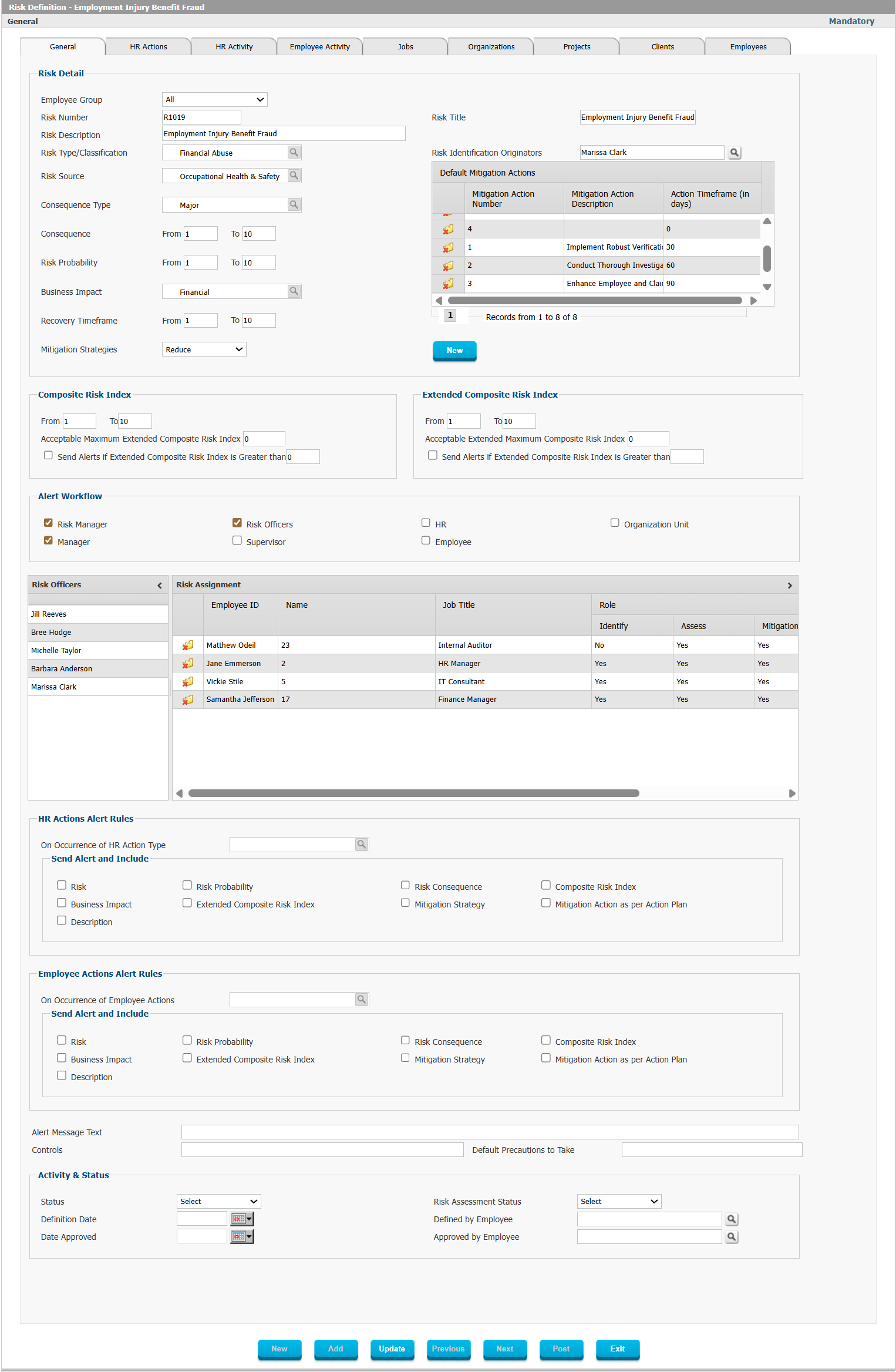
Figure 1: Example Risk Definition in Risk Framework for a Social Security Administration
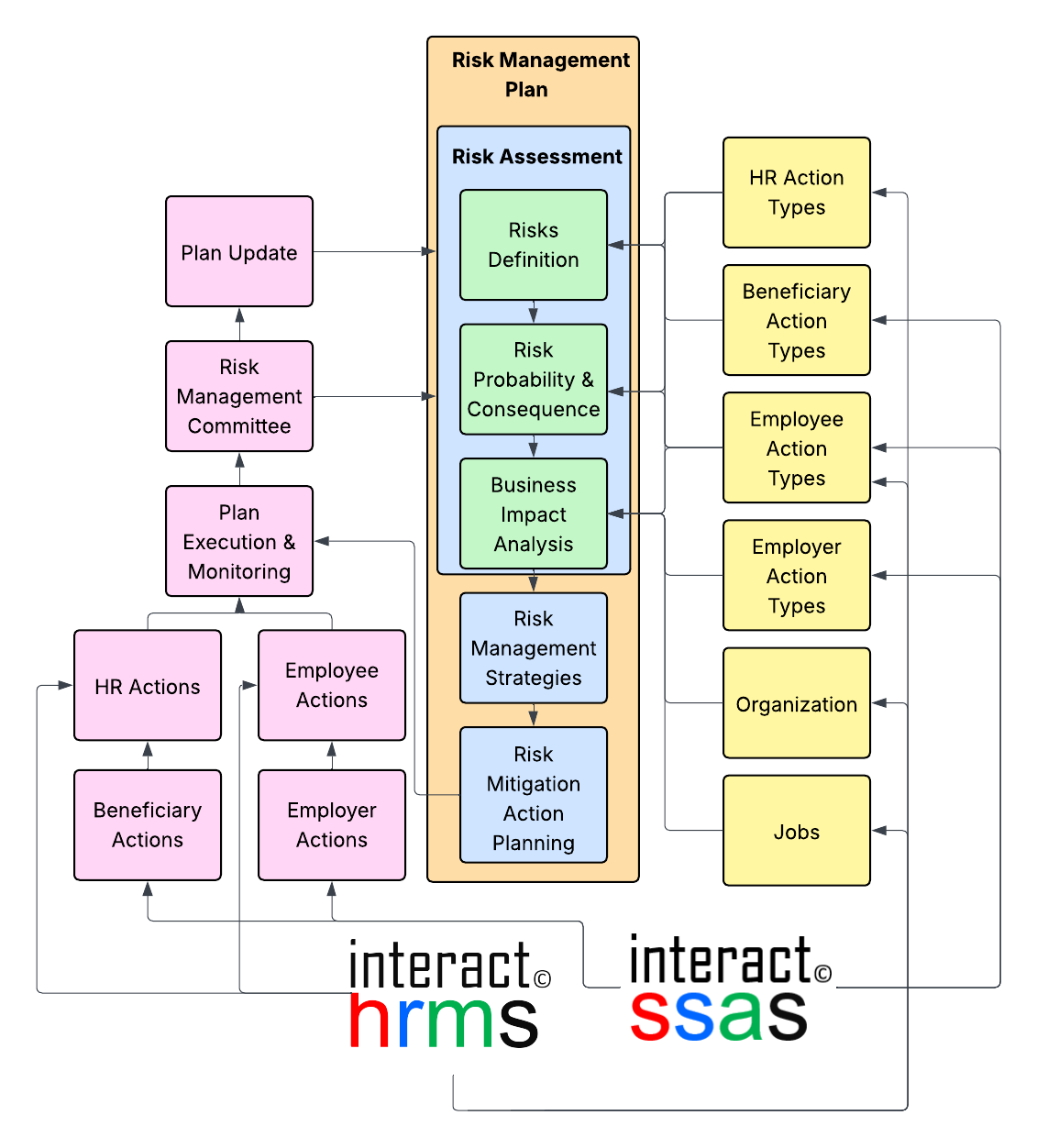 Figure 2: Risk Management Framework in Social Security
2Interact’s Enterprise Risk Management System, built on the Interact platform, provides a comprehensive, integrated solution for identifying, assessing, and mitigating risks across organizational functions. While employees are usually both the source of risk occurrence and also the solution to risk mitigation in an organization, Interact ERMS goes beyond HR Risk Management and extends to full enterprise-wide coverage, incorporating operational, financial, legal, cybersecurity, and strategic risks. Tailored for complex public sector entities like Social Security Administrations (SSAs), it addresses unique challenges such as safeguarding beneficiary data, preventing fraud in benefit disbursements, ensuring regulatory compliance amid evolving laws (e.g., data protection mandates), and maintaining operational resilience during crises like natural disasters or workforce disruptions.
The ERMS promotes a proactive, data-driven approach, aligning risks with strategic objectives to reduce uncertainty in service delivery and resource allocation. By leveraging a centralized portal, it eliminates siloed processes, enabling real-time collaboration among risk officers, committees, and stakeholders. It is seamlessly integrated with all key Interact HRMS modules but also with Interact SSAS for organizations in social security.
Key Features
- Customizable Risk Framework: Define risk sources (e.g., HR actions, beneficiary interactions, IT systems), categories (e.g., fraud, compliance, geopolitical), consequences (e.g., financial penalties, reputational damage), and impacts (e.g., operational downtime, legal liabilities). User-defined elements support SSA-specific risks like data integrity in contributions filing or emergency relief during floods.
- Advanced Assessment Tools: Employ Probability/Consequence Matrices (1-10 scale) and Extended Composite Risk Index (ECRI = Consequence × Probability × Business Impact × Recovery Timeframe) for prioritization. Visual risk matrices and Gantt charts track mitigation progress.
- Mitigation Strategies: Four core options—Avoid (e.g., cease vulnerable legacy processes), Retain (low-impact risks like minor delays), Reduce/Modify (e.g., automated compliance training), and Transfer (e.g., cyber insurance)—with automated workflows for action plans, approvals, and monitoring.
- Enhanced Monitoring and Alerts: Real-time notifications via customizable thresholds, integrated with KPIs and dashboards. Flagging of emerging risks, such as regulatory shifts or supply chain vulnerabilities in benefit processing.
- Self-Service and Collaboration: Browser-based portal empowers employees and stakeholders to report risks, participate in assessments, and review plans. Risk committees gain centralized repositories for audits and reporting, ensuring transparency in public accountability.
- Integration Capabilities: Seamlessly connects with Interact SSAS for SSA budgeting, contributions management, and crisis response; supports policy alignment where risks trigger updates, and acknowledgments feed back into risk reduction. Direct Interact HRMS integration ensures that individuals assigned tasks in risk management, can view their assigned responsibilities and have their performance tracked in performance management, while supervisors can also monitor progress.
| Feature | SSA-Specific Benefit |
|---|---|
| Custom Matrices | Quantifies impacts like operational delays in pension payouts (e.g., ECRI for recovery >6 months). |
| Workflow Automation | Streamlines regulatory reporting, reducing manual errors in social assistance schemes. |
| Visual Dashboards | Tracks high-priority risks like underfunding in contributory insurance, enhancing governance. |
Framework
The cyclical ERM Framework—Risk Assessment, Business Impact Analysis, Strategy Development, Mitigation Planning, Execution & Monitoring, and Continuous Updates—ensures adaptability in dynamic SSA environments:
- Risk Assessment: Identify threats via source/problem analysis (e.g., employee actions leading to data leaks or external geopolitical risks affecting fund investments).
- Business Impact Analysis: Evaluate multi-dimensional effects—operating (e.g., service disruptions), financial (e.g., overpayments), legal (e.g., non-compliance fines)—with recovery timeframes tailored to SSA mandates like timely benefit delivery.
- Strategy Development: Map risks to quadrants (high probability/high impact = Reduce/Avoid) and align with goals like reducing absenteeism in claims processing or managing opportunities in digital pension portability.
- Mitigation Planning: Develop actionable plans with assigned responsibilities, timelines, and Gantt visualization.
- Execution & Monitoring: Deploy workflows with alerts; monitor via KPIs (e.g., risk resolution rates) and periodic reviews.
- Updates: Reassess quarterly or on triggers (e.g., policy changes), ensuring alignment with enterprise goals like sustainable funding.
Benefits for Social Security Administrations
- Enhanced Compliance and Fraud Prevention: More online visibility and transparency, combined with a process driven framework ensures better follow-up and awareness of fraud vulnerability.
- Operational Efficiency: Automates risk tracking, cutting administrative costs by minimizing paper-based processes and enabling agile responses to crises.
- Strategic Resilience: Builds safeguards against interconnected risks (e.g., cyber threats to beneficiary data), fostering trust and equity in social protection schemes.
- Cost Savings and Scalability: Optimizes resource allocation amid budget constraints, scalable for national agencies handling millions of records.
- Stakeholder Empowerment: Promotes a risk-aware culture through self-service, improving employee retention in high-stakes public roles and supporting transparent reporting to oversight bodies.
Implementation and Support
Deployment involves framework customization and configuraiton, user training, and phased rollout.
Note: The timeframe for the release of Interact ERMS is the first half of 2026.